
The Evolution of Casinos Worldwide
Casinos have long been a central part of cultural and economic life around the globe. From the ancient gaming houses in China and the first official casinos in Italy to the flashy, technology-driven environments of modern establishments, the evolution of casinos reflects societal changes and technological advancements. Today, casinos are not just places to gamble; they are entertainment complexes that draw millions of visitors annually. You can also learn about the historical relevance of local attractions, like the ones offered at casinos worldwide museumsnorfolk.org.uk, which showcase the rich tapestry of global gaming culture.
The Ancient Origins of Gambling
Gambling is a practice that dates back thousands of years. Evidence suggests that the Chinese engaged in games of chance as early as 2300 B.C. These games often utilized tiles that resembled modern-day lottery systems. Similarly, ancient Rome had its own variety of games, such as dice throws and betting on gladiator fights. These early forms of gambling were typically not organized in the same way as modern casinos; instead, they were more social activities that later paved the way for regulated gambling establishments.
The Birth of the Casino
The first recognized casino, the Casino di Venezia, opened in Italy in 1638. Initially designed as a venue for playing card games, it laid the groundwork for the casino establishments we know today. This idea spread throughout Europe, leading to the establishment of many gaming houses in cities like Paris and Monte Carlo. These early casinos were often luxurious venues catering to the elite, signifying a status symbol as much as a gambling destination.
Casinos in the 20th Century: A Growth Industry
The 20th century marked a significant turning point for the casino industry. The emergence of Las Vegas during the 1940s as a hub for gambling revolutionized how casinos were perceived and operated. With extravagant shows, luxurious accommodations, and numerous gaming options, Las Vegas set the standard for modern casinos. This period also saw the legalization of gambling in many parts of the United States, not just in Nevada but across various states, leading to the growth of casino resorts and riverboat casinos.

Global Casino Landscape
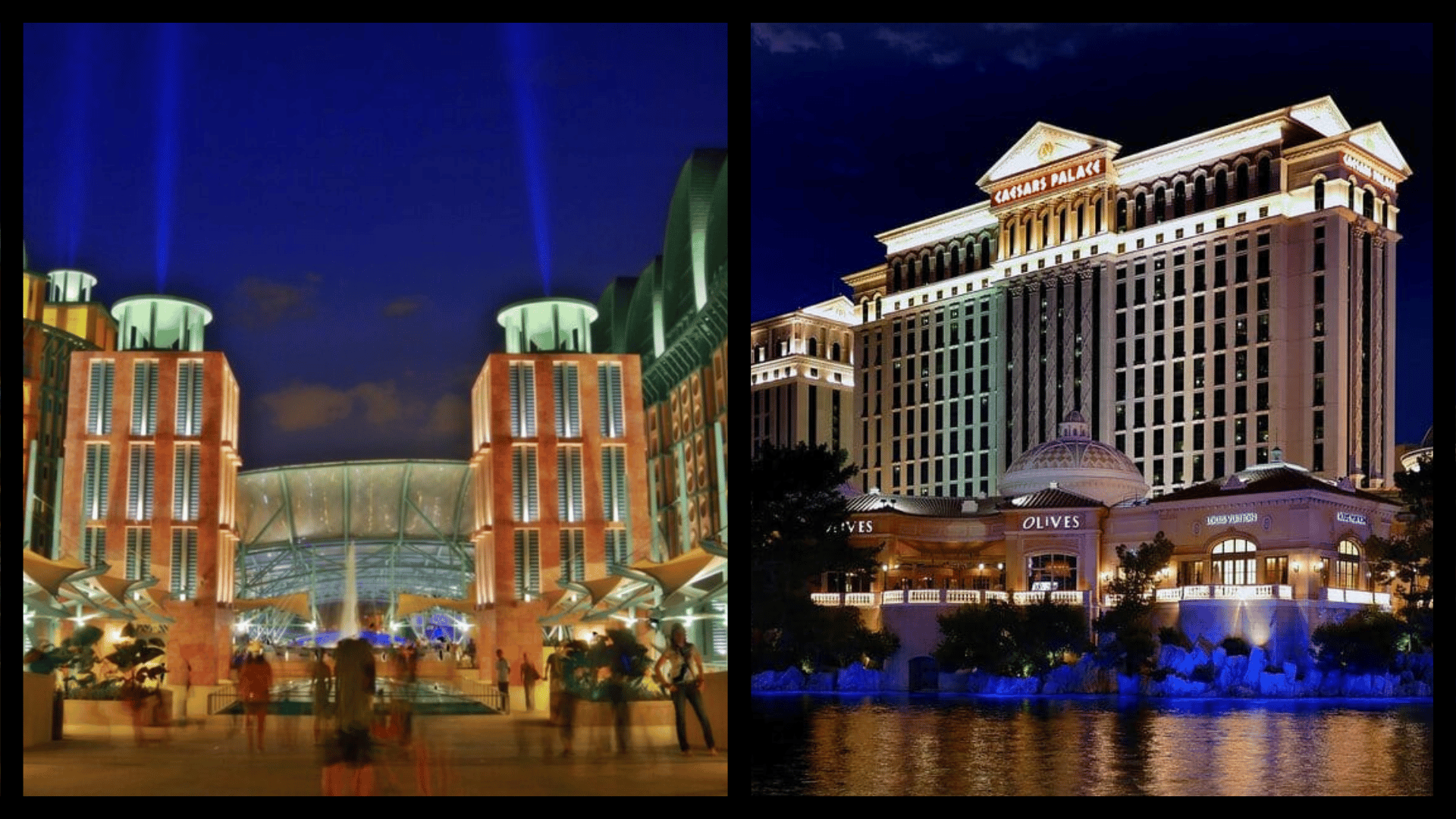
Today, the global landscape of casinos is incredibly diverse. Each region has its unique flavor, style, and gaming options. The United States, a leader in the casino industry, is home to iconic gaming destinations such as Las Vegas and Atlantic City. In Europe, destinations like Monaco and the United Kingdom offer a blend of traditional and modern gaming experiences. Meanwhile, countries in Asia, particularly Macau and Singapore, have rapidly become major players in the casino market, contributing to an impressive increase in tourism and local economies.
Macau: The Gambling Mecca
Macau is often referred to as the “Gambling Capital of the World,” surpassing Las Vegas in terms of revenue. Its casinos, like The Venetian Macao and Galaxy Macau, are characterized by opulent designs, extensive gaming options, and luxury amenities. The unique blend of Chinese culture and modern gaming has resulted in an unparalleled gaming experience that attracts visitors from around the globe.
Technological Advancements and Online Casinos
The rise of technology has had a profound impact on casinos worldwide. The advent of online gambling has transformed how people engage with gaming. Online casinos now offer players the convenience of playing from home or on the go, leading to increased accessibility and a broader audience. With innovations like live dealer games and virtual reality casinos, the online gaming experience continues to evolve, blurring the lines between traditional casinos and digital platforms.
The Future of Casinos
As we move forward, the future of casinos appears to be intertwined with technological advancements and evolving consumer preferences. The integration of artificial intelligence, virtual reality, and blockchain technology is expected to reshape not only how games are played but also how casinos operate. Enhanced user experiences, personalized gaming options, and safer transactions will likely become the norm.
Socioeconomic Impact of Casinos
Casinos play a significant role in local economies. They generate substantial revenue through taxes, create jobs, and stimulate tourism. However, they can also face criticism for social issues related to gambling addiction and crime. As a result, responsible gambling initiatives and community outreach programs are becoming standard practices for many casinos around the world, ensuring businesses contribute positively to their locales.
Cultural Significance of Casinos
Beyond the monetary aspects, casinos also have cultural significance. Many regions celebrate their gaming traditions and history through festivals, events, and museums that educate the public about the heritage of gambling. This cultural appreciation fosters a sense of pride and belonging among communities, highlighting the importance of casinos beyond mere entertainment.
Conclusion
As the global casino landscape continues to evolve, blending tradition with innovation, it remains an integral part of societal entertainment and economic development. The future of casinos promises to be exciting, with advancements in technology and a growing understanding of their social impact shaping the industry for years to come. Whether you enjoy visiting grand establishments or prefer the convenience of online gaming, the world of casinos offers a thrilling experience that captivates millions worldwide.